Local businesses in Los Angeles, CA listed on locallyprepared.com

About Los Angeles, CA

Los Angeles, a dynamic global hub, continuously refines its readiness protocols. The city’s 10 million residents and 240,000 businesses confront diverse threats. Geologists predict a 70% probability of a magnitude 6.7 or greater earthquake striking Southern California before 2045. Wildfires annually impact thousands of acres across the county. Food and service establishments prioritize operational continuity. They implement emergency power solutions and diversify local sourcing networks. This collective foresight strengthens the entire regional economy.

Local food systems and service providers form essential community anchors. Over 30,000 restaurants operate within Los Angeles County. These businesses often serve as emergency relief points during crises, contributing billions to the local economy. Neighborhood associations partner with local eateries, establishing communication hubs. The Los Angeles Regional Food Bank distributes 90 million pounds of food annually, relying on business donations. This interconnected web ensures community members access vital resources.

Neighborhoods and Landmarks in Los Angeles

Silver Lake

An east-side neighborhood anchored by Sunset Junction, where independent coffee roasters, vintage shops, and farm-to-table restaurants line Sunset Boulevard and Rowena Avenue. The area's 1920s architecture houses creative businesses and design studios.

Grand Central Market

A 30,000-square-foot food hall in downtown LA operating since 1917. Over 40 independent food vendors serve dishes from Oaxacan mole to Thai boat noodles, representing the city's culinary diversity under one roof.

Sawtelle Japantown

A two-block stretch along Sawtelle Boulevard on the Westside featuring independently owned Japanese restaurants, ramen shops, mochi bakeries, and specialty grocery stores serving the neighborhood since the 1920s.

Arts District

A former industrial zone east of downtown converted into galleries, independent restaurants, craft breweries, and creative studios. The neighborhood's warehouse architecture now houses over 100 independently owned businesses.

Highland Park

A northeast LA neighborhood along Figueroa Street and York Boulevard where independent bookstores, coffee shops, vintage stores, and restaurants occupy early 20th-century commercial buildings.

Venice Boardwalk and Abbot Kinney

Venice's two commercial corridors serve different audiences. The boardwalk draws tourists with independent vendors and street performers. Abbot Kinney Boulevard hosts upscale independent boutiques, restaurants, and design shops ranked among the best shopping streets in America.

Upcoming Events in Los Angeles

Every Sunday

Smorgasburg LA

ROW DTLA, Downtown Los Angeles

Weekly outdoor food market featuring 100+ independent food vendors from across LA County. The market rotates vendors seasonally to spotlight emerging local food businesses.

Jun 15

CicLAvia

Various routes across Los Angeles

Open streets event that closes major boulevards to car traffic, allowing residents to walk, bike, and discover businesses along the route. Each event covers 6-10 miles and passes hundreds of independent shops and restaurants.

Every Saturday

Silver Lake Flea

Sunset Triangle Plaza, Silver Lake

Weekly artisan market in Silver Lake featuring local makers, vintage dealers, and independent food vendors. The market operates year-round in Sunset Triangle Plaza.

Jul 19

LA Street Food Fest

Pasadena Rose Bowl

Annual celebration of LA's street food culture featuring 80+ food trucks and vendors. The festival highlights independent operators who build businesses from mobile kitchens.

Sep 28

Abbot Kinney Festival

Abbot Kinney Blvd, Venice

Annual street festival along Venice's Abbot Kinney Boulevard featuring independent retailers, restaurants, live music, and local artists. Over 50,000 attendees visit the mile-long stretch.

Restaurants & Dining in Los Angeles

Retail & Shopping in Los Angeles

Home Services in Los Angeles

Health & Wellness in Los Angeles

Automotive in Los Angeles

Pets & Animals in Los Angeles

Tips for Finding Local Businesses in Los Angeles

How do Los Angeles food businesses prepare for supply chain disruptions affecting the nation's largest port complex?

The Port of Los Angeles and Port of Long Beach collectively handle 40% of all containerized cargo entering the United States. Los Angeles food businesses mitigate potential disruptions through strategic planning. Many establishments, particularly in areas like Downtown LA and Santa Monica, prioritize local suppliers. They source produce from nearby Ventura County farms or seafood from San Pedro. Businesses also maintain diversified vendor lists, ensuring multiple options for key ingredients. Adequate inventory management, often maintaining a 3-5 day buffer for perishables, further protects operations.

What specific measures do Los Angeles service businesses implement for disaster response, particularly for earthquakes or power outages?

Los Angeles service businesses understand the importance of immediate disaster readiness. Many establishments, from Hollywood studios to Koreatown restaurants, invest in backup power generators. These systems ensure continued operations during grid failures. Businesses also develop detailed employee communication plans, utilizing multiple channels like satellite phones or mesh networks. Emergency preparedness kits, stocked with water, first aid supplies, and non-perishable food, remain accessible on premises. Regular drills, often quarterly, reinforce evacuation procedures and staff responsibilities.

How do Los Angeles service businesses contribute to community resilience and recovery efforts after localized emergencies?

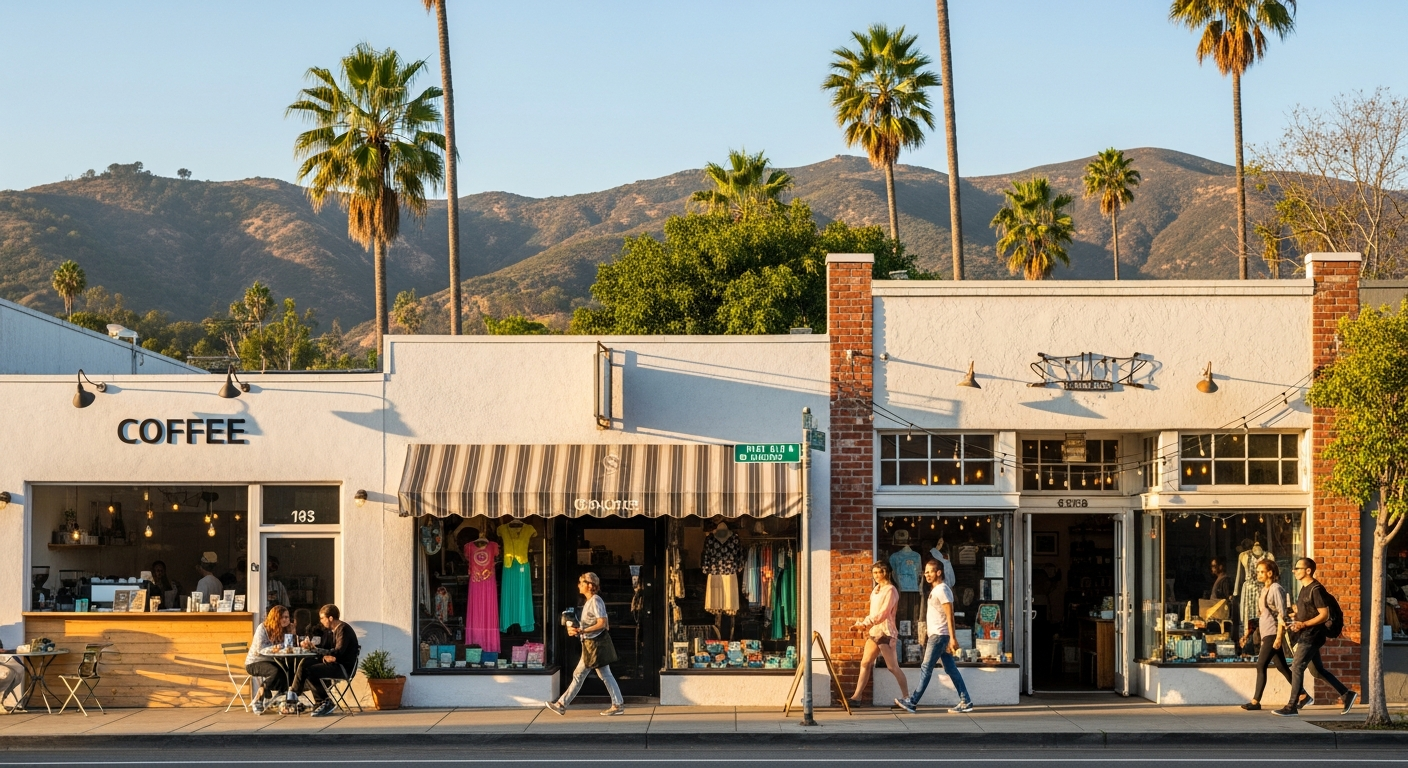
Los Angeles service businesses actively bolster community resilience. Following localized emergencies, such as wildfires in the San Fernando Valley, many restaurants donate prepared meals to first responders and displaced residents. Coffee shops and community centers, particularly in neighborhoods like Silver Lake and Venice, transform into temporary relief hubs. They offer charging stations, internet access, and a safe gathering space. Businesses also prioritize employee support, providing financial assistance or flexible work arrangements during recovery phases. These actions strengthen neighborhood bonds and accelerate collective healing.