Local businesses in Miami, FL listed on locallyprepared.com

About Miami, FL

Miami, a vibrant metropolitan center, operates as a critical international gateway. The city processes over 24 million visitors annually, fueling a dynamic service sector. Miami-Dade County’s economy, with a GDP exceeding $190 billion, relies heavily on consistent business operations. This environment demands a high degree of preparedness from its 12,000+ food and beverage establishments. Subtropical weather patterns, including a hurricane season from June 1 to November 30, present specific challenges. Businesses proactively address these, ensuring operational continuity and community stability.

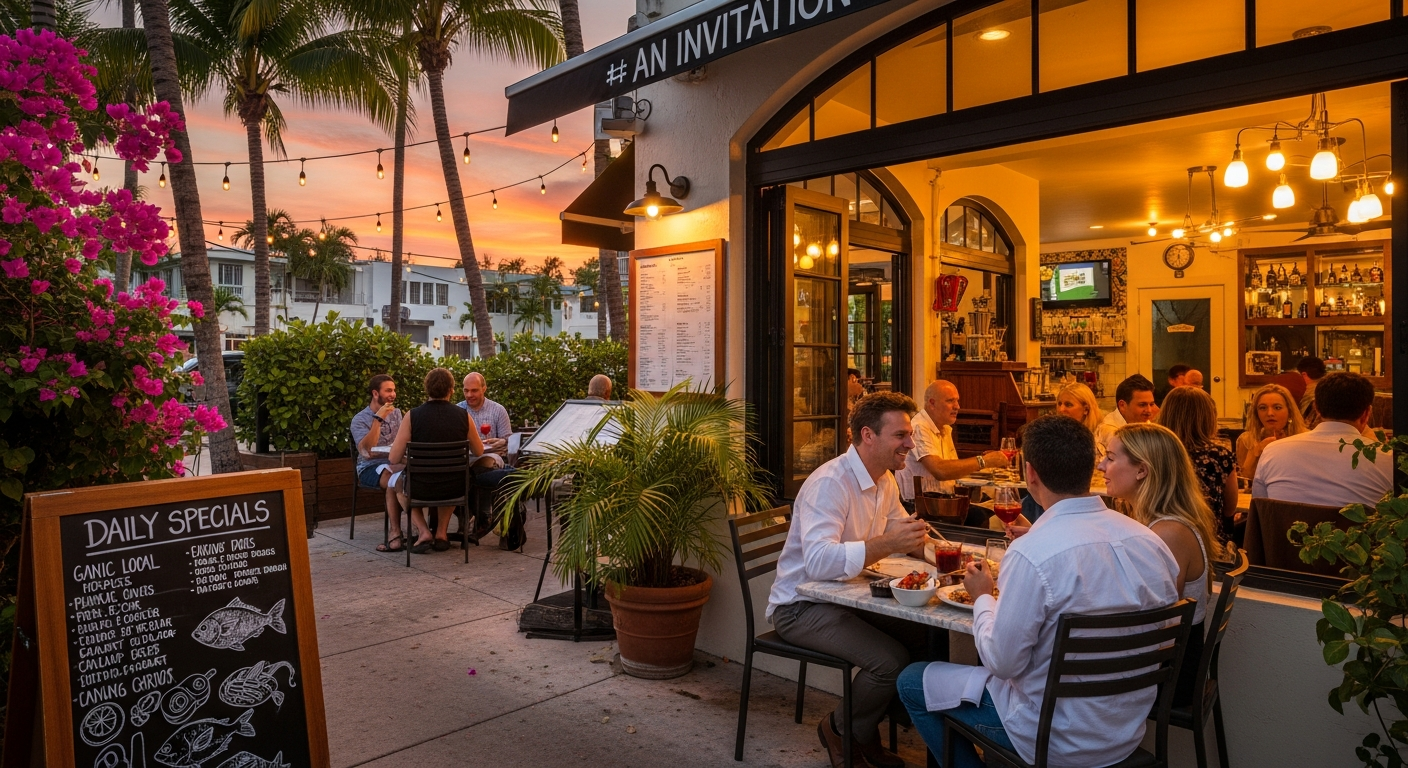
Local businesses prioritize readiness through strategic planning. Restaurants secure perishable inventory, implement backup power solutions like generators, and establish clear communication protocols for staff and customers. Many commercial properties adopt flood mitigation strategies, adapting to environmental shifts. Miami's diverse workforce, representing over 100 languages, receives specialized training. This ensures staff deliver prepared services and communicate effectively during emergencies. These proactive measures build a resilient commercial landscape, safeguarding both economic activity and resident well-being.

Neighborhoods and Landmarks in Miami

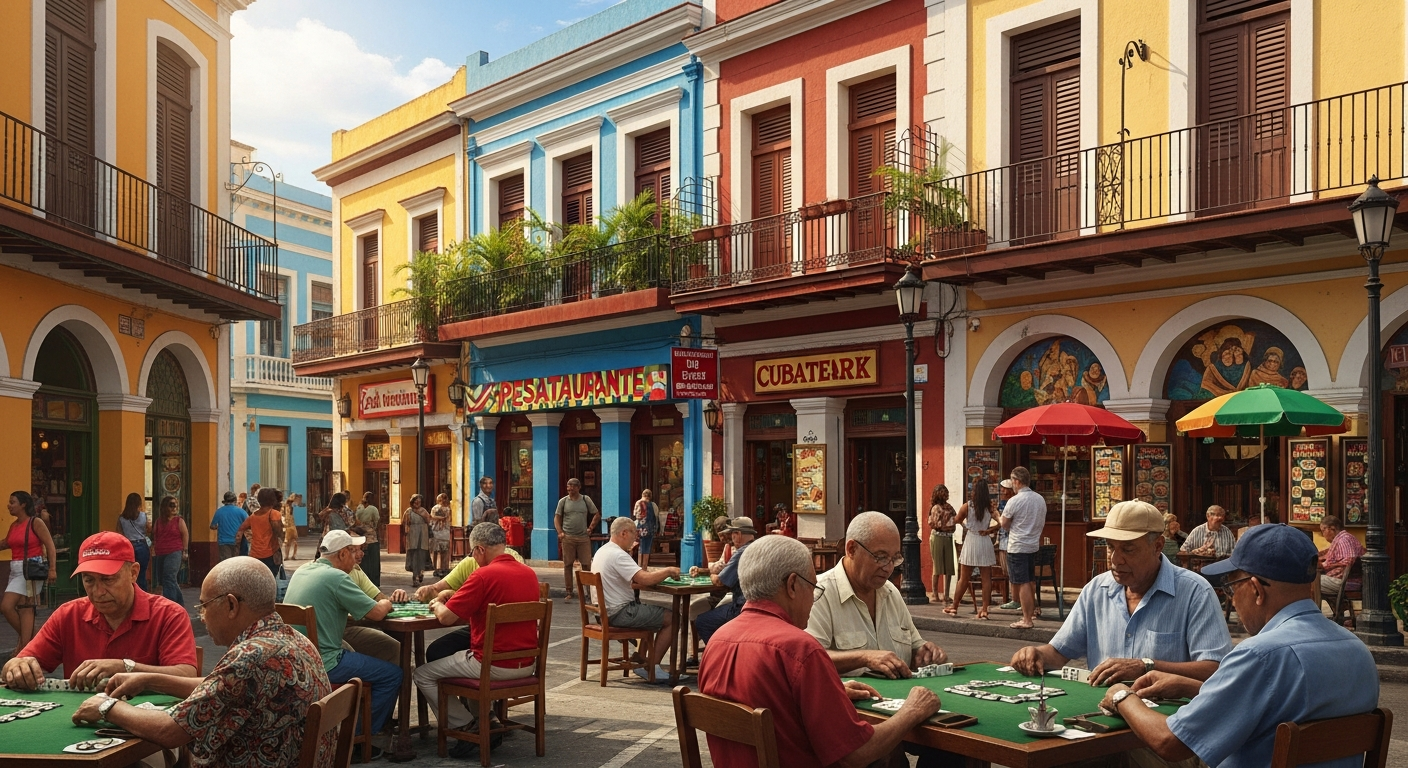
Little Havana. Calle Ocho (SW 8th Street) serves as the commercial spine of Miami's Cuban community, hosting independently owned restaurants, cafeterias, cigar shops, fruit stands, and domino parks. The corridor stretches 15 blocks from SW 12th to SW 27th Avenue.

Wynwood Arts District. A former warehouse district transformed into an outdoor gallery and independent business hub. Over 70 art galleries, independent restaurants, and creative studios operate alongside the Wynwood Walls outdoor mural collection.

Design District. A 18-block neighborhood north of Midtown featuring independently owned design showrooms, art galleries, and restaurants alongside luxury retail. The district hosts monthly art walks drawing 5,000+ visitors.

Coconut Grove. Miami's oldest continuously inhabited neighborhood operates a walkable village center with independent restaurants, boutiques, and marine supply businesses serving the adjacent sailing and boating community.

Little Haiti. The cultural center of Miami's Haitian community along NE 2nd Avenue features independent Creole restaurants, bakeries, botanicas, barbershops, and Caribbean grocery stores serving a community of 100,000+ Haitian Americans.

Coral Gables Miracle Mile. A half-mile stretch of independently owned restaurants, bridal shops, art galleries, and professional offices in the planned community of Coral Gables. The Mediterranean Revival architecture dates to the 1920s.

Upcoming Events in Miami

Mar 8

Calle Ocho Festival

SW 8th Street, Little Havana

The largest Hispanic street festival in the United States draws 1 million attendees along 23 blocks of Calle Ocho. Independent food vendors, musicians, and cultural organizations fill the street from noon to midnight.

2nd Saturday

Wynwood Art Walk

Wynwood Arts District, Miami

Monthly open gallery night in Wynwood where 50+ independent galleries open their doors simultaneously. The free event draws 10,000+ visitors who browse art and dine at neighborhood restaurants.

Feb 13

Coconut Grove Arts Festival

Coconut Grove, Miami

Three-day outdoor arts festival ranked among the top art shows in the United States. Over 300 independent artists exhibit alongside local food vendors and live music in Coconut Grove's village center.

Oct 17

South Beach Seafood Festival

Lummus Park, South Beach

Annual beachfront festival featuring 30+ independent Miami seafood restaurants competing for best dish honors. The festival highlights the city's independent restaurant community along the waterfront.

May 16

Little Haiti Book Festival

Little Haiti Cultural Complex

Annual literary festival celebrating Haitian and Caribbean culture through readings, panel discussions, and independent booksellers. The festival supports Little Haiti's independent business corridor along NE 2nd Avenue.

Restaurants & Dining in Miami

Home Services in Miami

Retail & Shopping in Miami

Health & Wellness in Miami

Beauty & Grooming in Miami

Tips for Finding Local Businesses in Miami

How do Miami's food and service businesses prepare for severe weather events, ensuring continuity for their customers?

Businesses across Miami-Dade County, particularly in coastal areas like South Beach and Coconut Grove, implement rigorous pre-storm checklists. They secure outdoor furnishings, confirm generator functionality, and coordinate with multiple suppliers for prioritized deliveries. Many establish secondary supply routes to mitigate potential road closures. Staff receive training on emergency procedures, including safe food handling during power outages and clear customer communication plans. Some establishments maintain emergency food kits, offering grab-and-go options for residents during recovery phases. This proactive stance minimizes operational disruption, safeguarding both business viability and community access to essential services.

What strategies do Miami businesses employ to maintain a stable supply chain amidst fluctuating demand or external disruptions?

Miami's hospitality sector, supporting over 160,000 jobs, builds supply chain resilience through diversification. Restaurants establish relationships with multiple local and regional distributors. They maintain buffer inventory levels for key ingredients, particularly during peak tourist seasons or periods of elevated risk. Businesses near PortMiami and Miami International Airport manage complex logistics. They invest in advanced inventory management systems, tracking stock levels precisely. Some cultivate direct partnerships with local farms in Homestead and Redland, reducing reliance on long-distance transport. This multi-pronged approach strengthens their operational foundation, ensuring consistent product availability and service delivery.

How do Miami's service businesses prepare their workforce for diverse customer needs and unexpected operational challenges?

Miami's service industry, employing over 1.2 million people, prioritizes workforce readiness for its diverse customer base. Businesses implement multilingual staff training, addressing the needs of a city where 70% of residents speak a language other than English at home. They conduct cross-training programs, enabling staff to handle various roles efficiently during peak times or short-staffed periods. Emergency drills occur regularly, covering scenarios like power failures, medical incidents, or evacuation procedures. Managers receive specialized training in crisis communication and de-escalation techniques. This investment in human capital ensures a prepared team, ready to deliver consistent, high-quality service under any circumstance.